
What is Agentic Commerce?
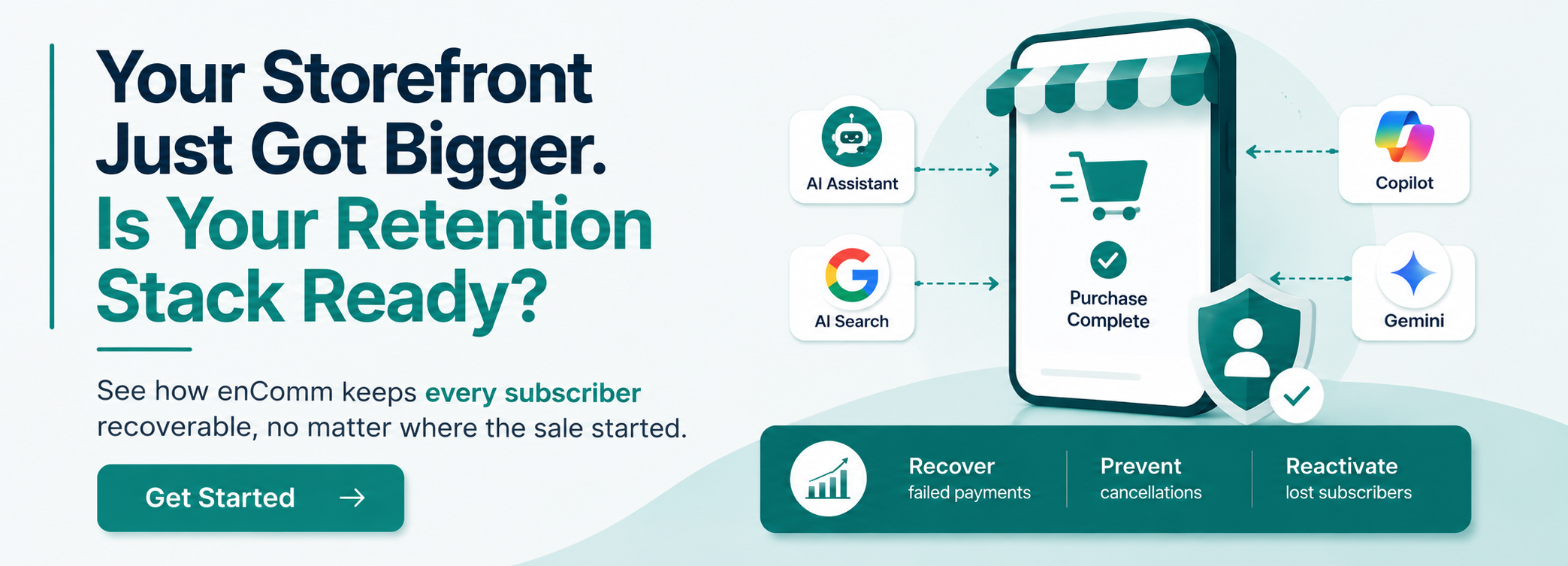
Agentic commerce allows AI assistants like ChatGPT, Microsoft Copilot, and Google's AI Mode to help customers discover and purchase products while merchants continue using Shopify for checkout and order management.
Shopify spent 2026 making one thing clear: the storefront is no longer the only place a sale happens. With Shopify Agentic Storefronts and the Universal Commerce Protocol (UCP), co-developed with Google, Shopify merchants can now be discovered and purchased from directly inside ChatGPT, Microsoft Copilot, and Google's AI Mode — no separate website visit required. Shopify's Spring '26 Edition opened UCP to every developer, building on the Agentic Storefronts feature that first shipped in Shopify's Winter '26 Edition.
For subscription brands, this isn't a distant trend — it's already changing where a customer's first subscription order gets placed. And that raises a question most brands haven't thought through: once an AI agent completes that first sale, who's responsible for keeping that subscriber active?
How Agentic Commerce Changes Subscription Customer Acquisition
Shopify has been careful to point out that agentic commerce doesn't cut merchants out of the transaction — purchases made through Agentic Storefronts still run through Shopify's own checkout, so brands keep merchant-of-record status and full ownership of the customer relationship. That's a meaningfully different model from platforms trying to keep the entire transaction inside their own chat window, and it's a big part of why Shopify's approach has been positioned as merchant-friendly rather than merchant-replacing.
But friendly checkout ownership doesn't automatically mean loyal customers. A subscriber who discovered your brand through a chatbot recommendation, compared it against two competitors in the same conversation, and checked out in under a minute doesn't arrive with the same attachment as someone who spent time on your site and chose you deliberately. Deloitte's 2026 Retail Industry Global Outlook found that 81% of surveyed retail executives expect generative AI to weaken brand loyalty by 2027 — precisely because AI agents make comparison and switching so frictionless.
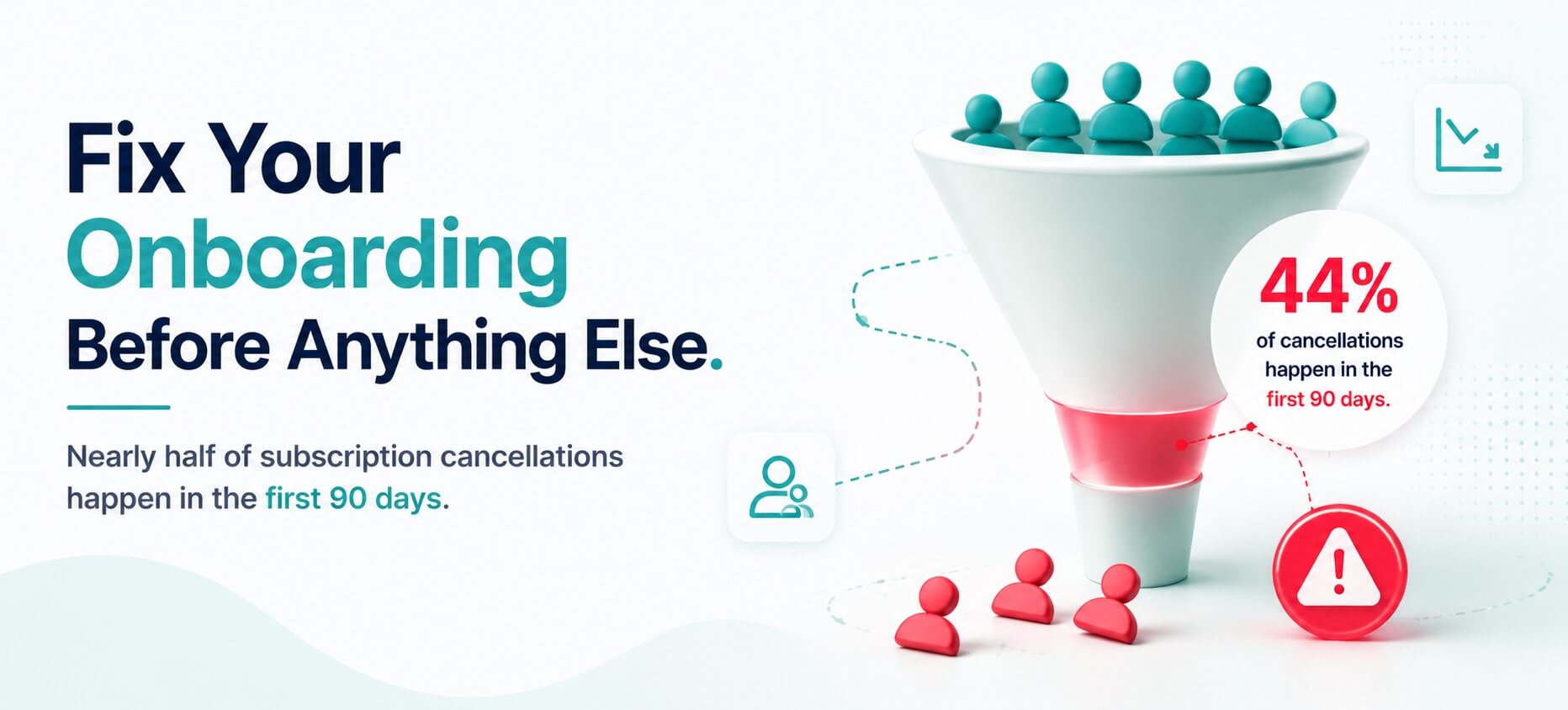
For subscription businesses, that's a direct hit to the metric that matters most: how long a customer stays. More subscribers arriving through a frictionless, comparison-heavy channel means more of them will need active retention work to actually stick around — not less.
Traditional Ecommerce vs Agentic Commerce
Agentic Commerce Doesn't Solve Subscription Payment Recovery
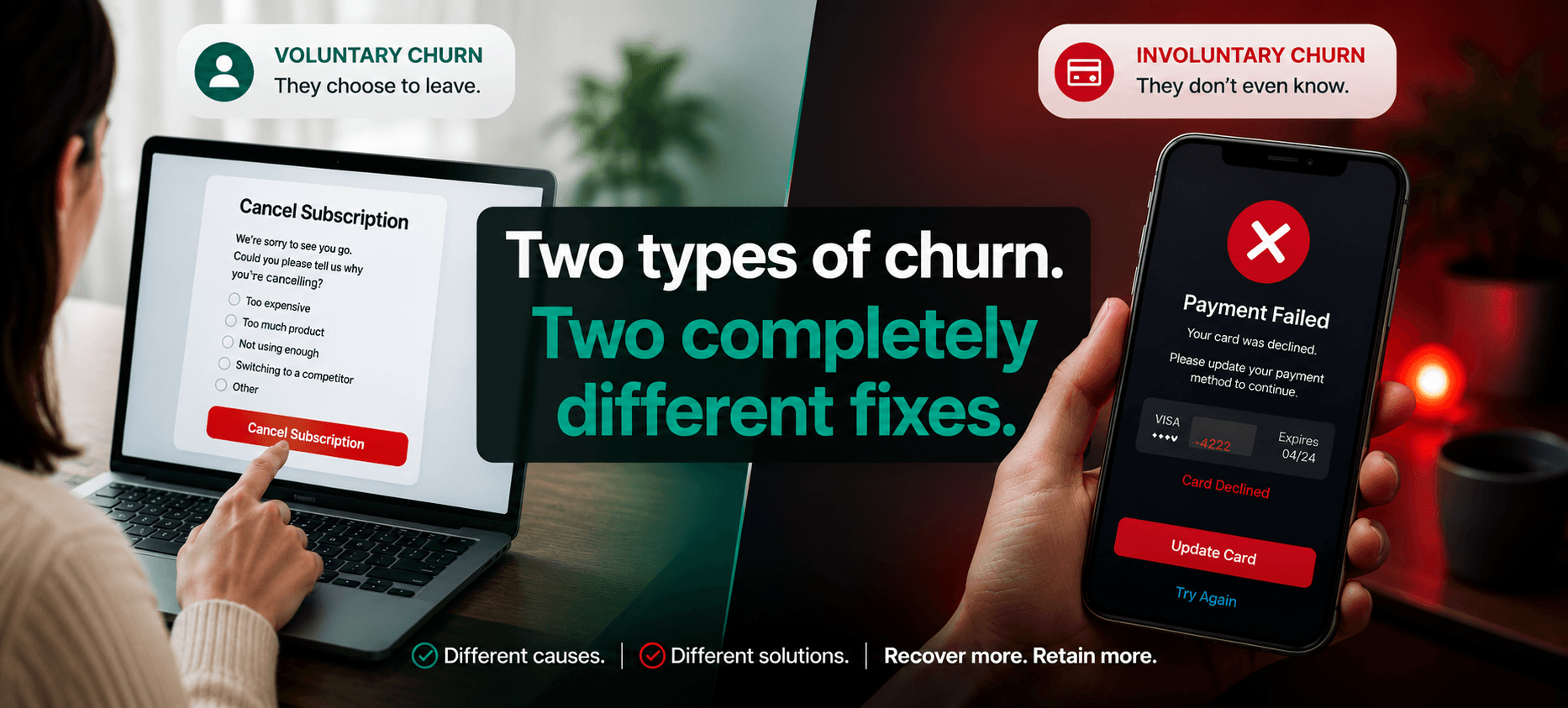
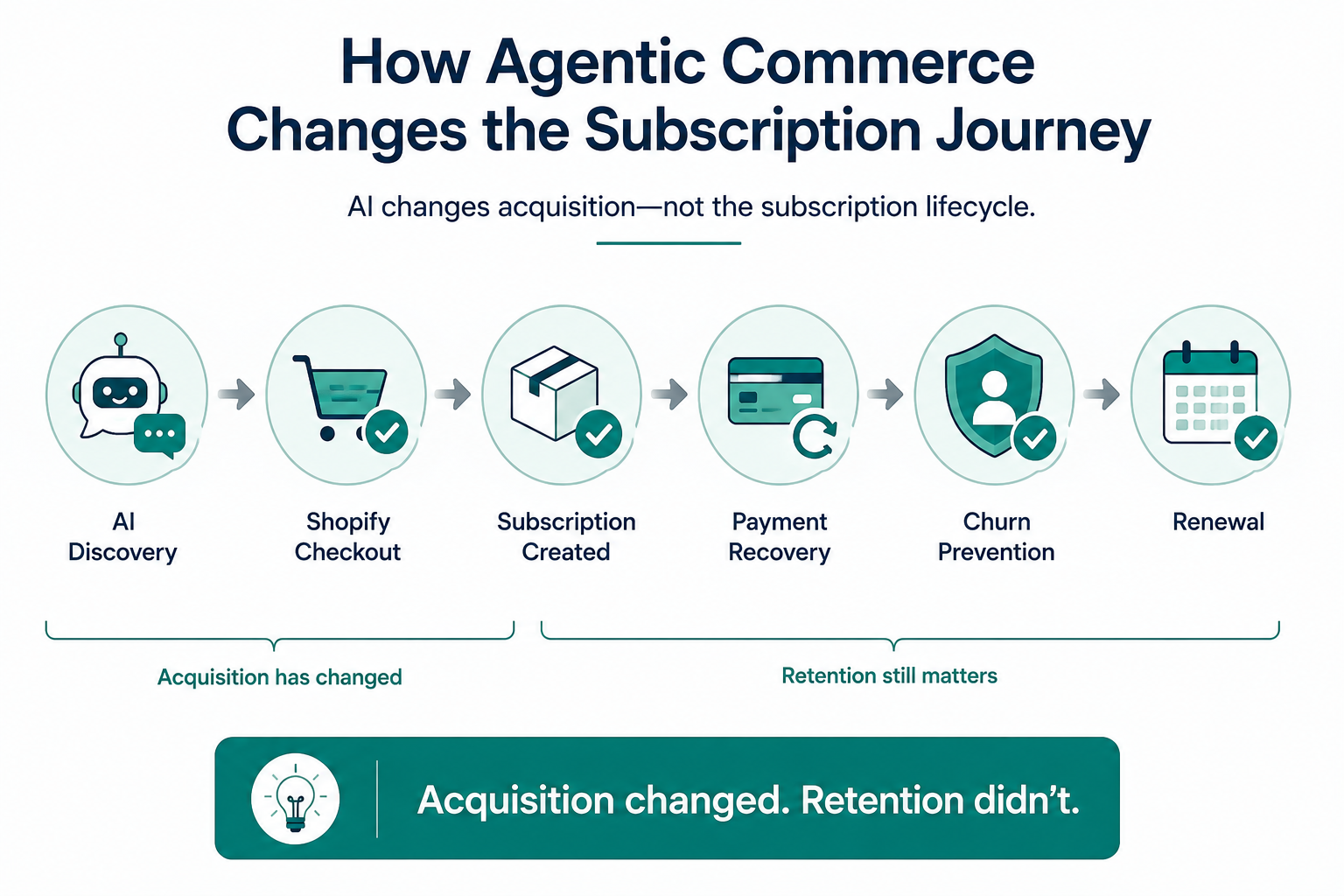
Here's the part most agentic commerce coverage overlooks: however a subscription order was placed, the ongoing subscription still runs through the same payment rails. Cards still expire. Banks still decline transactions for insufficient funds or fraud flags. Customers still forget what they signed up for and consider cancelling three months in. None of that changes because an AI agent handled the initial checkout.
If anything, a subscriber acquired through a lower-friction, less-considered purchase may be more likely to let a payment lapse go unnoticed, or cancel on a whim the first time their card gets declined. Shopify has reported AI-driven order volume growing well over 10x year-over-year as merchants adopt Agentic Storefronts and Catalog. As that channel scales, so does the volume of subscribers whose retention depends entirely on what happens after the sale.
This is exactly the gap our complete guide to subscription retention and revenue recovery is built around: acquisition and retention are two different problems, and no amount of smarter checkout technology solves the second one.
Why Shopify-Native Subscription Infrastructure Matters for Agentic Commerce
Most brands aren't going to build a custom integration layer to handle this. According to Shopify's own 2025 Store Owner Survey, among merchants not yet using AI tools, 29% say they're unsure of their capabilities, and 26% don't know which tool to use — a readiness gap Shopify itself points to as the real obstacle to acting on agentic commerce. For a subscription brand, that gap is sharper still: adopting Agentic Storefronts is a contained setup inside Shopify Admin, but building a new retention and recovery process to match the subscriber volume it brings in is a much bigger ask — and it's the piece almost nobody is budgeting for.
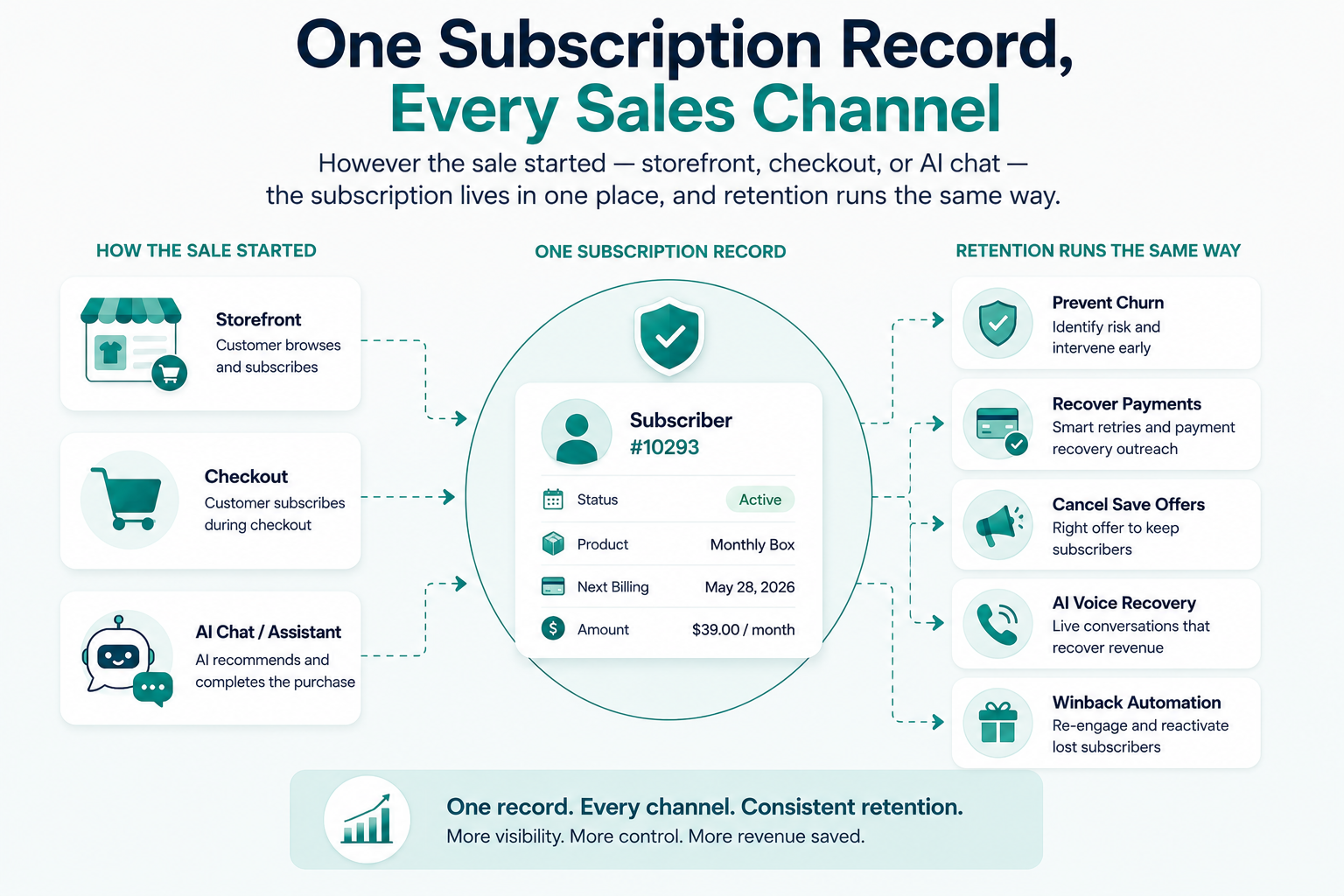
This is exactly the need enComm's Shopify-native architecture closes, without a new engineering project. Every subscription contract created through enComm lives directly in Shopify's own subscription infrastructure — not a parallel system that syncs occasionally — so a subscription originating from an agentic storefront sale flows into the same contract, billing, and customer record structure as one placed on your website. There's nothing extra to connect, and no gap in coverage as Shopify adds new AI sales channels. The recovery and retention engine picks up the subscription the moment it exists in Shopify, regardless of which surface sent the customer there.
The benefit isn't just architectural tidiness — it's what that coverage does for a subscriber base about to get less predictable. As more subscribers arrive through fast, low-commitment, comparison-driven AI checkouts, more of them will show the warning signs churn prevention is built to catch: quieter engagement, skipped orders, a payment that fails and gets ignored. enComm's churn risk scoring flags disengagement before a subscriber decides to cancel, rather than after. Its cancellation flow responds to the specific reason a subscriber gives instead of showing everyone the same static exit page — which matters more for a subscriber who never built up much loyalty to begin with. And its AI failed-payment recovery adapts outreach to each customer's profile instead of running every decline through one fixed retry schedule, so a growing volume of new, less-engaged subscribers doesn't just quietly churn out through neglect. None of this requires the brand to change anything on the acquisition side — it activates automatically as agentic-driven subscriptions land in Shopify. For a deeper look at how these systems replace what used to require several disconnected tools, see how enComm's AI orchestration replaces five separate subscription apps.
You Don't Have to Migrate to Benefit
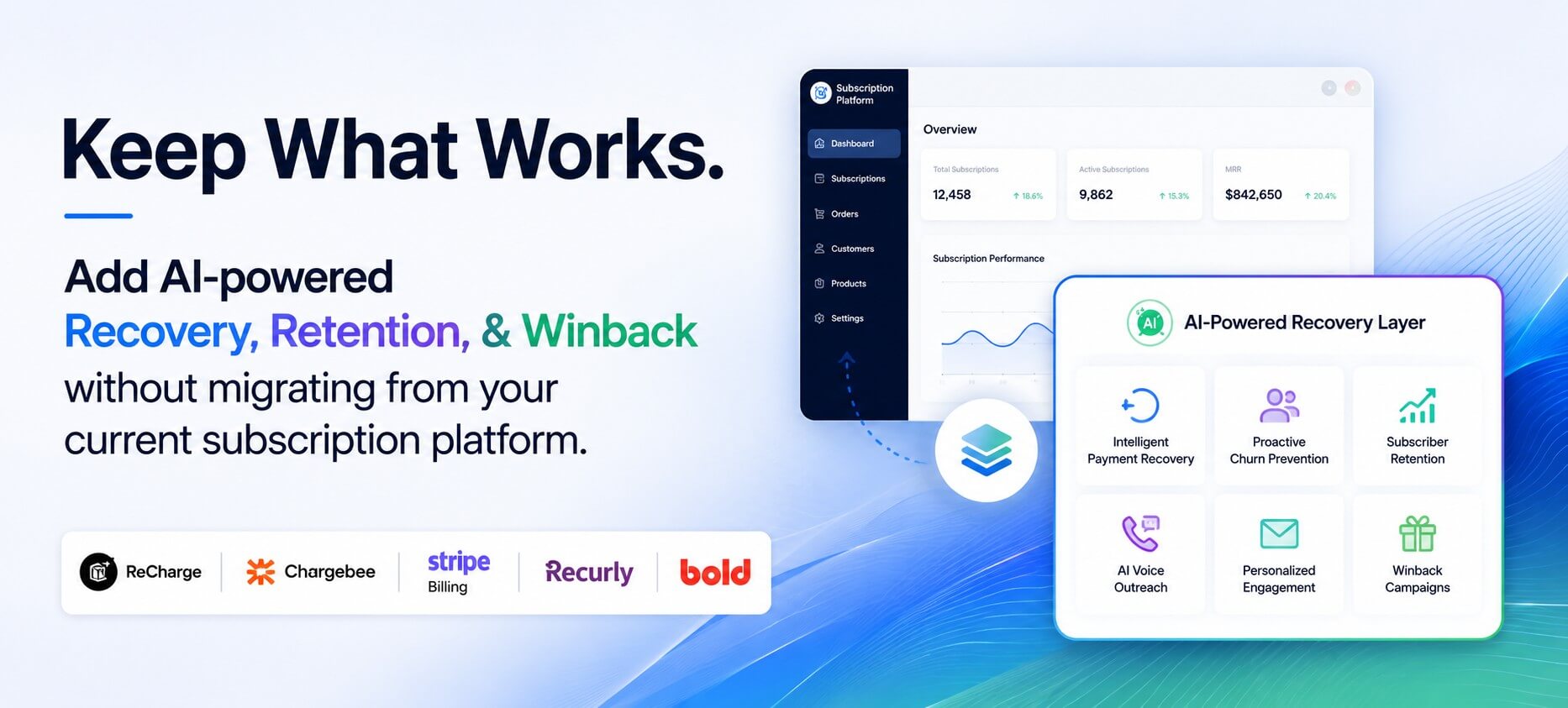
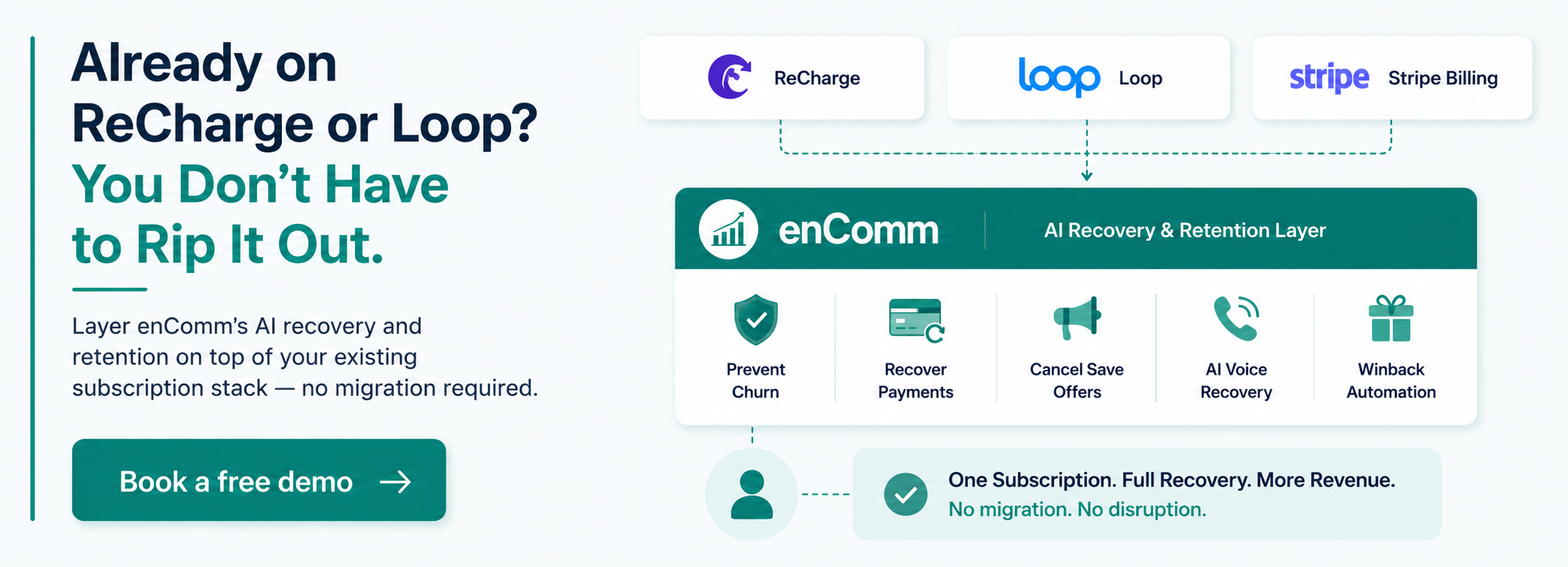
A common assumption is that this kind of AI-native retention layer only works if a brand rebuilds its subscription stack on enComm. That's not the case. Merchants already running subscriptions on ReCharge, Chargebee, Stripe Billing, or similar platforms can add enComm's recovery and retention engine on top of their existing setup. enComm intercepts failed payments, classifies each one, and executes the recovery actions — retry, card update, pause, discount, skip, or swap — without a platform switch. The existing subscription platform keeps managing the subscription; enComm handles keeping the subscriber. We've laid out exactly how this works in what AI retention adds on top of ReCharge or Chargebee.
For brands that do eventually want to consolidate onto enComm's own Shopify-native subscription management, that move doesn't have to mean risk or disruption. enComm automatically imports customer, subscription, and product data at setup, so a migration can happen without downtime or data loss — existing contracts, billing schedules, and customer histories carry over rather than requiring a rebuild from scratch.
Preparing Your Subscription Business for Agentic Commerce
Shopify's direction for 2026 is clear: more of the buying journey will happen off-site, inside AI conversations, with Shopify running the infrastructure underneath. That's a genuine opportunity for subscription brands to be discovered by more customers, with less friction than ever. But the brands that win long-term won't be the ones with the flashiest AI storefront presence — they'll be the ones who can actually keep the subscribers that presence brings in. Agentic commerce solves discovery and checkout. It was never going to solve retention. For Shopify subscription brands, that part can be built without touching a single line of the acquisition strategy that's already working.
Bottom line
Agentic commerce changes where customers discover and buy subscriptions, but it doesn't change the systems responsible for recurring billing, payment recovery, or subscriber retention. Subscription brands still need dedicated retention infrastructure after the initial purchase.